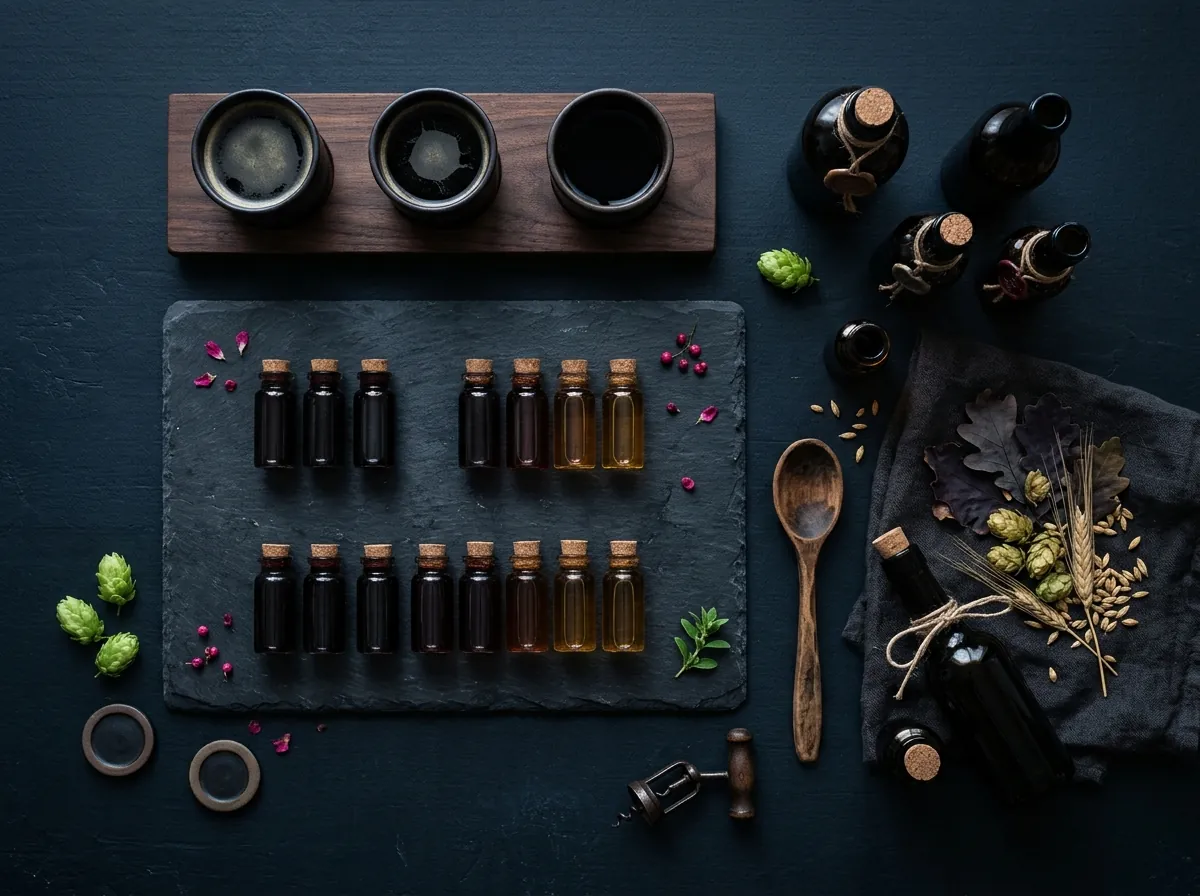
Websites built for cold cellars, bottle releases, and busy taprooms
We design fast, direct websites for independent craft breweries, regional wineries, and artisan food producers. No heavy themes, no digital clutter, and no agency runaround.
Brewery and Taproom SiteWinery Allocation and Bottle ShopArtisan Food StorefrontTasting Room Menu SystemFood and Drink Design System
01
Fast on mobile signal
Taprooms often sit in rural pockets or metal warehouses. We strip out unnecessary script weight so pages open instantly.
02
Clear bottle releases
Your visitors want to know what is pouring right now, where to buy cases, and how to get seasonal allocations shipped.
03
Content you control
Update draft boards, change vintage tasting notes, and edit hours without waiting on an outside team to touch the code.
04
Direct sales focus
Every layout routes shoppers toward the online bottle shop, retail stockist map, or physical tasting bar.
About us
Digital headquarters for producers who make real goods
Real Life Diary Office designs digital storefronts and tasting room menus for independent fermentation spaces and artisan pantries. We treat your digital presence like your cellar notes: direct, structured, and true to the harvest. We replace slow, bloated web templates with custom typography, clean markup, and practical ordering paths built for real visitors.
Named after the real life diary of batches, harvests, and cellar notes kept behind the counter.
Process
How a project runs
Step 1
Catalog Audit
We review your current bottles, distribution footprint, tasting bar logistics, and buyer paths to determine page structure.
Step 2
Content Blueprint
We draft the interface copy, organize vintage specifications, and structure your stockist database clearly.
Step 3
Interface Build
We construct lightweight templates using clean markup, responsive typography, and fast image assets.
Step 4
Commerce Integration
We hook up inventory controls, shipping schedules, and wholesale forms before testing the full site on handheld devices.
Studio services
Services, start to finish
01
Brewery and Taproom Site
Digital hubs for production breweries that keep rotating draft lists, location hours, and retail distribution maps organized.
Live draft list content architecture
Taproom directions and visitor accessibility notes
Three self-directed concepts. They show our thinking and craft; they are not client work.
ConceptOrchard and Fermentation
A cellar archive and release shop for dry cider
An exploration into organizing wild-fermented bottle archives by harvest orchard, pressing date, and barrel wood profile.
What we explored: Custom vintage filtering, terroir origin maps, and cellar club sign-up forms
ConceptBrewery Taproom
A low-bandwidth taproom board for a farm brewery
A lightweight mobile menu interface built to load on low-reception country roads without heavy background scripts.
ConceptSpecialty Food Store
A batch-tracked storefront for an artisan creamery
A direct purchasing flow for small-run cheeses with temperature-controlled shipping calendar rules.
Studio notes
Notes from the studio
01
Why PDF menus fail in the tasting room
Asking taproom patrons to download a six-megabyte print file over a congested connection causes frustration. Text-based web menus open instantly and adjust to any screen size.
3 min read02
Structuring technical notes for wine releases
Bottle shoppers want immediate clarity on brix, residual sugar, and oak treatment. Putting these figures into an organized table aids quick purchasing decisions.
4 min read03
Building retail finders that people actually use
Interactive maps often lag on phones. Pairing simple regional city groupings with searchable postal codes lets customers locate your bottles in nearby shops.
3 min read
About the studio
Independent web design rooted in production craft
Real Life Diary Office is an independent studio. We work directly with brewery founders, estate winemakers, and artisan food producers. We keep our project volume deliberate and handle every line of copy, layout decision, and code structure in-house. We do not pass work to subcontractors or bury clients under layers of account management. Our background is shaped by direct respect for physical trades: the patience of fermentation, the honesty of raw ingredients, and the discipline of clean record-keeping. We bring that exact standard to the web.
Focus
Breweries, wineries, and food makers
Practice
Independent design and development
Method
Direct communication, no middlemen
Location
Working across all standard time zones
Engagements
Pick a starting point
Prices are starting points in USD. Every project gets a written quote once we have read your brief.
Taproom Launch
A lean marketing site built for production taprooms and small kitchens needing accurate public hours and live menus.
Ingredients, barrel aging, and soil profiles matter more than decorative novelties. We prioritize clear production facts.
Cellar Speed Matters
Tasting rooms often have weak reception. We strip away heavy tracking scripts so pages load without delay.
Direct Sales First
Every layout routes visitors to purchase a bottle, check a retail shelf, or plan a tasting visit. No dead paths.
Code That You Own
We build with clean, understandable structures. Your staff can update menus, draft lines, and releases independently.
Questions
Answers, up front
How long does a typical website build take?
A standard taproom site generally takes four to six weeks from start to finish. Larger commerce sites with vintage archives, wholesale sheets, and club sign-ups typically require eight to ten weeks.
Can our cellar staff update tap lists and hours easily?
Yes. We set up straightforward content dashboards so your team can toggle keg availability, swap out sold-out bottles, or revise holiday hours directly from a phone without touching source code.
Do you write the copy or do we need to supply it?
We write the site copy. We interview your team to collect factual details on your brewing process, grape sources, and farm partners, then draft clean, direct text that represents your goods honestly.
What ecommerce platforms do you build on?
We work with clean platforms such as Shopify or lightweight custom setups. We choose tools that let you process orders, collect club sign-ups, and manage perishable shipping without recurring bloat.
How do you handle wholesale accounts?
We build password-gated trade pages where restaurant buyers and bottle shops can view case pricing, order minimums, delivery territories, and download print-ready technical spec sheets directly.
How do revisions work during the design process?
We work in structured phases: first content and layout architecture, then visual styling, then functional code. Each stage includes dedicated feedback rounds so decisions are clear before moving forward.
Ready to build a website that matches your cellar standards?
Tell us about your production volume, tasting space, and upcoming releases. We will walk through scope and provide a direct estimate.
Write to us with an outline of your current setup, your distribution goals, and what you need the new site to handle. We review every note directly and respond with clear next steps.